Use Code LOVE26 for 15% OFF Your Next Order!

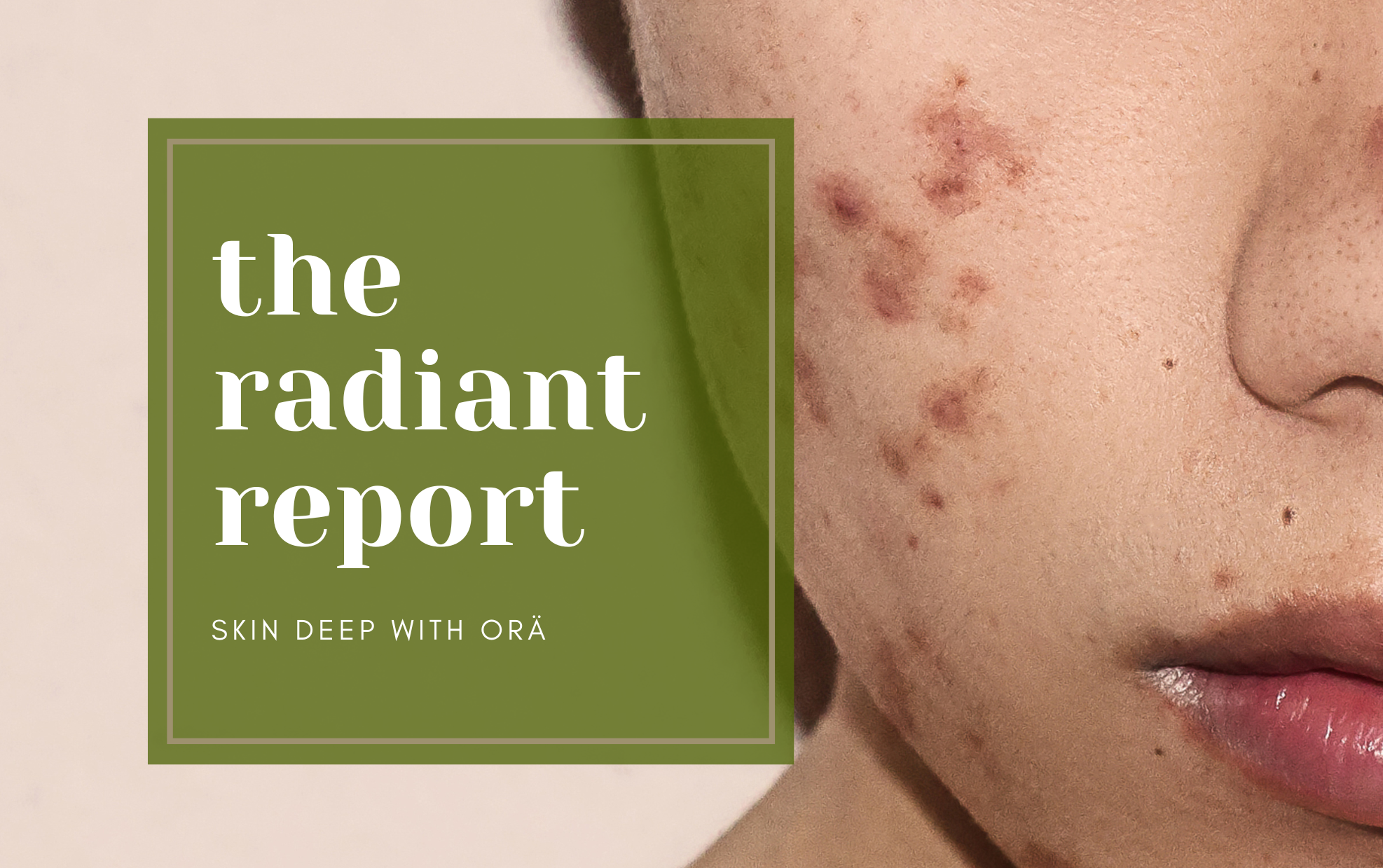
Heal Acne Scars Naturally

Hey, beautiful souls! If you’ve ever battled with acne, you know the struggle doesn’t always end when the breakouts do. Those lingering scars can be a frustrating reminder of your skin’s tumultuous journey. But don’t worry!

We’re diving into natural remedies to help you fade those scars and restore your radiant glow.

Understanding Acne Scars

Before we get into remedies, let’s break down the types of acne scars you might encounter:

  • Atrophic Scars: These are depressions or indentations in the skin, often caused by loss of collagen during the healing process.
  • Hypertrophic Scars: Raised and thickened, these scars occur when the body produces too much collagen.
  • Post-Inflammatory Erythema (PIE): This is redness that lingers after acne has healed, especially common in those with darker skin tones.

Knowing what you’re dealing with is the first step toward healing.

Natural Remedies for Healing Acne Scars

Here are some nature-inspired remedies to help fade those stubborn scars:

  1. Aloe Vera
    Known as nature’s miracle plant, aloe vera is rich in vitamins, antioxidants, and anti-inflammatory properties that can soothe your skin and help fade scars. Apply fresh aloe gel directly from the leaf to your scars for best results.
  2. Honey
    Not just a sweet treat! Honey is a natural humectant, meaning it draws moisture into the skin. Its antibacterial properties can also help keep future breakouts at bay. Mix honey with a bit of lemon juice (if your skin can handle it) and apply it to your scars for a healing boost.
  3. Lemon Juice
    Packed with vitamin C, lemon juice can lighten dark spots and improve overall skin texture. If you’re melanated or have sensitive skin, use it sparingly, as it can cause irritation. Always do a patch test first!
  4. Coconut Oil
    This multi-tasking oil is rich in fatty acids and has anti-inflammatory properties, making it perfect for hydrating your skin and reducing the appearance of scars. Just remember to use it in moderation!
  5. Rosehip Oil
    A favorite in the natural skincare world, rosehip oil is full of essential fatty acids and vitamins that help improve skin texture and reduce scars. Apply a few drops daily to promote healing.
  6. Gentle Exfoliation
    Regular exfoliation helps remove dead skin cells, allowing new skin to emerge. Use natural exfoliants like ground oats or sugar mixed with honey to create a gentle scrub. Aim for 1-2 times a week to keep your skin smooth.
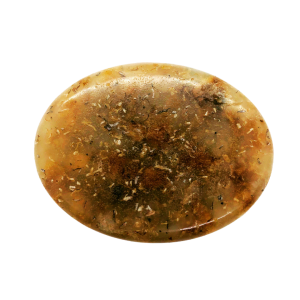
While natural remedies are great, using quality products can enhance your results. Our Exfoliating Sea Moss Black Soap Bar offers cleansing and gentle exfoliation, keeping your skin fresh.
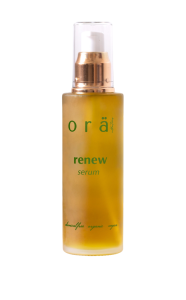
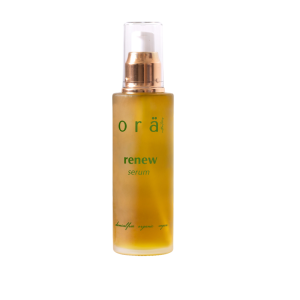
Pair it with our Renew Serum, which combines turmeric, rosehip oil, and CBD for optimal scar healing. Turmeric lightens hyperpigmentation and promotes even skin tone, while rosehip oil regenerates skin cells and fades scars. Plus, CBD soothes irritation and redness, creating an ideal environment for healing. Together, they support your skin’s natural recovery process, helping you fade those pesky scars!

Consistency is Key

Healing acne scars naturally isn’t a quick fix—it requires dedication and consistency.

Stick to your routine, and you’ll start seeing improvements over time. Remember, every scar tells a story, and while we want to minimize them, embracing your skin’s journey is part of self-love.

Healing acne scars naturally is achievable with the right knowledge and ingredients.

Whether you choose to go the natural route or incorporate products, the key is to treat your skin with love and patience. You’re on the path to a radiant complexion, and those scars will become less of a focus over time.

Let’s embrace our skin journey together! Have you tried any of these remedies? Share your experiences in the comments, and let’s chat about what’s worked for you!

Here’s to your radiant journey! 🌿✨
Top Foods for Clear, Glowing Skin

Nourish Your Skin from the Inside Out with These Top Foods for Clear, Glowing Skin

Dear Glow-Getters! If you want that radiant skin, let’s fill our plates with these nutrient-rich foods that nourish your body from the inside out. Here’s your ultimate guide to the top foods for clear, glowing skin:

  1. Avocado

    This creamy fruit is rich in healthy fats, vitamins E and C, which help to hydrate and protect the skin from oxidative stress. Add sliced avocado to your salads or blend it into smoothies for a silky texture.

  2. Berries

    Blueberries, raspberries, and blackberries are packed with antioxidants that fight free radicals, reducing signs of aging. Snack on them fresh, toss them in yogurt, or blend them into a refreshing smoothie!

  3. Sweet Potatoes

    High in beta-carotene, sweet potatoes help protect your skin from sun damage and promote a healthy glow. Bake them, mash them, or add them to stews for a comforting side.

  4. Nuts & Seeds

    Walnuts and chia seeds are rich in omega-3 fatty acids, which help keep your skin supple and hydrated. Sprinkle them on salads or blend them into smoothies for added crunch and nutrients.

  5. Green Leafy Vegetables (Arugula & Watercress)

    These greens are loaded with vitamins A, C, and K, supporting skin health and reducing inflammation. Toss them into salads or blend them into smoothies for a nutritious boost.

  6. Cucumbers

    With their high water content, cucumbers help keep your skin hydrated and fresh. Enjoy them in salads, as snacks, or blended into refreshing drinks.

  7. Dark Chocolate

    Rich in antioxidants and flavonoids, dark chocolate can improve blood flow to the skin, keeping it hydrated and radiant. Treat yourself to a square or two—just aim for at least 70% cocoa!

  8. Fatty Fish

    Salmon (Fresh Wild caught), mackerel, and sardines (water) are excellent sources of omega-3 fatty acids, which help reduce inflammation and keep skin moisturized. Grill or bake these fish for a healthy meal that supports your skin.

  9. Coconut Water

    A natural hydrator, coconut water replenishes electrolytes and keeps your skin looking plump and dewy. Enjoy it straight from the coconut or as a refreshing drink.

  10. Coconut Oil (Unrefined)

    This tropical gem hydrates your skin and can be used as a moisturizer. Look for unrefined coconut oil to retain its nutrients. Use it in cooking or apply it topically for soft, nourished skin.

Nourishing your skin starts from the inside out! Fill your plate with these delicious foods, and let’s celebrate our natural beauty together. Cheers to clear, glowing skin! 🌟

The Power of Sea Moss for Skin Health (and Overall Health)

Hey, radiant beauties! 🌿 Let’s talk about one of nature’s gems: sea moss. This powerhouse of the ocean isn’t just for smoothies—it’s a skin and health savior!

Sea moss is packed with 92 of the 102 minerals your body needs, making it incredible for both topical and internal use. Whether you’re sipping it or slathering it, the benefits are glow-worthy. But let’s not forget, quality matters! There’s a ton of fake sea moss out there, so always source wildcrafted, organic sea moss to ensure you’re getting the real deal. Trust me, it makes all the difference.

Why Consume Sea Moss?

Consuming sea moss supports your immune system, helps detoxify the body, and is great for digestive health. It’s also full of collagen-building nutrients, meaning your skin will thank you for that morning sea moss gel in your smoothie! Picture smoother, plumper skin from the inside out—yes, please!

Sea Moss as a Face Mask

Now, if you love a good at-home skincare moment (who doesn’t?), you can use sea moss in a face mask. Apply a small amount of sea moss gel directly to your face for about 15-20 minutes and let it work its magic. Sea moss is known for hydrating, soothing inflammation, and delivering minerals straight to the skin. Your skin will feel so soft and bouncy, it’s like hitting the reset button on your complexion.

Our Exfoliating Sea Moss Black Soap Bar

Our Exfoliating Sea Moss Black Soap Bar is a game changer for curbing eczema flare-ups and tackling backne (back acne). The natural exfoliating power of sea moss helps clear dead skin and unclog pores, leaving you with a smoother, clearer complexion. However, due to its exfoliating nature, it may be harsh for sensitive skin. But don’t worry—if your skin is sensitive, we also offer a plain black soap bar that is gentle and perfect for keeping your skin balanced and calm without irritation.

Bonus Tip for Hair Health

Oh, and don’t sleep on sea moss for your hair! Sea moss can be applied as a hair mask to strengthen strands, hydrate your scalp, and reduce hair loss. Just mix the sea moss gel with a little water, apply it to your hair for 30 minutes, and rinse for stronger, shinier hair.

So, what are you waiting for? Sea moss is the multitasking miracle we all need in our lives—from better digestion to glowing skin to healthy hair and nails. Just make sure you’re using the real stuff, and you’ll be on your way to feeling (and looking) radiant from the inside out!

With love and sea moss vibes,
Your Radiant Guide 🌿✨

Reactive Oils 101

Navigating Your Skincare Choices

Today, we’re diving into the world of reactive oils in skincare. These oils can be skincare superheroes for some, but they might also turn into villains for others, especially if you’re not careful. So, let’s break it down, discuss what they are, the common culprits you should watch out for, and how to choose the right ones for your beautiful skin!

What Are Reactive Oils?

Reactive oils are those that can provoke different responses in your skin depending on your skin type, the other products in your routine, and even external factors like climate. Understanding these oils can help you avoid potential irritations or breakouts.

Common Reactive Oils in Mainstream Products

Here’s a look at some popular reactive oils—both natural and synthetic—often found in skincare, along with their comedogenic scores (rated from 0 to 5, where 0 is non-comedogenic and 5 can clog pores):

  1. Coconut Oil

    • Comedogenic Score: 4
    • Best To Use: For dry skin or as a moisturizer for body care, but patch test if you’re acne-prone.
    • Notes: While it’s touted for its moisturizing benefits, it can clog pores for some.
  2. Tea Tree Oil

    • Comedogenic Score: 3
    • Best To Use: Spot treatment for acne, but use sparingly on sensitive skin.
    • Notes: Potent antimicrobial properties can lead to irritation if overused.
  3. Lavender Oil

    • Comedogenic Score: 1
    • Best To Use: In aromatherapy and calming products, but test for allergies first.
    • Notes: Can cause sensitivity or allergic reactions in some individuals.
  4. Mineral Oil (Synthetic)

    • Comedogenic Score: 2
    • Best To Use: In occlusive moisturizers, but avoid if you’re acne-prone.
    • Notes: While it’s effective at locking in moisture, it can lead to breakouts for some skin types.
  5. Silicone (e.g., Dimethicone)

    • Comedogenic Score: 1-2
    • Best To Use: In primers and smooth-textured products to create a barrier.
    • Notes: Can trap dirt and bacteria under the skin, exacerbating acne for some users.

Natural Reactive Oils for Sensitive or Acne-Prone Skin

  1. Castor Oil

    • Comedogenic Score: 1
    • Best To Use: In small amounts for dry patches or as a treatment, but avoid if prone to breakouts.
    • Notes: Heavy for some, leading to clogged pores.
  2. Argan Oil

    • Comedogenic Score: 0-1
    • Best To Use: For hydration in dry skin, but proceed cautiously with acne-prone skin.
    • Notes: Generally well-tolerated but can irritate sensitive skin.
  3. Grapeseed Oil

    • Comedogenic Score: 1
    • Best To Use: For oily skin types as it’s lightweight, but be cautious if your skin is reactive.
    • Notes: Can cause breakouts in some individuals.
  4. Jojoba Oil

    • Comedogenic Score: 2
    • Best To Use: For most skin types, particularly oily and acne-prone, as it mimics natural sebum.
    • Notes: Generally safe but patch test for reactivity.

When to Use Reactive Oils

Reactive oils can be beneficial when used appropriately:
  • Moisturizers: Oils like jojoba and argan can nourish without clogging pores.
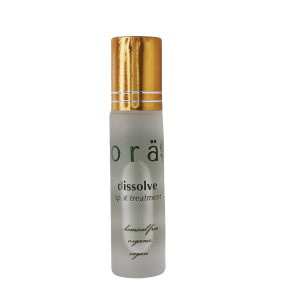
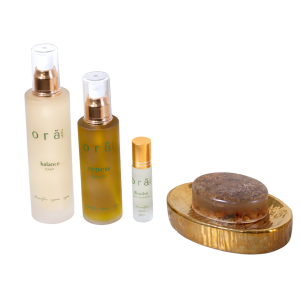
  • Spot Treatments: Tea tree oil works great for localized acne. Our Dissolve Spot Treatment blends jojoba oil and tea tree oil to fight acne, balance sebum, and heal breakouts naturally, without clogging pores.
  • Balms and Ointments: Coconut oil can help heal dry skin, but use it judiciously on the face.

Sensitivities Due to Alcohol and Fillers

Many reactive oils can cause sensitivities when mixed with other ingredients. Alcohol and harsh fillers often found in mainstream products can compromise the integrity of oils, leading to increased irritation or breakouts.

Note: The FDA does not require cosmetic companies to disclose all ingredients, which means they can often use small amounts of alcohol as a filler without your knowledge. When selecting products, look for formulations that minimize synthetic fillers and alcohols, focusing on natural and organic ingredients that complement each other.

Common Reactions to Reactive Oils

  1. ➜Irritation: Redness, burning sensations, or stinging.
  2. ➜Breakouts: Acne flare-ups due to clogged pores.
  3. ➜Allergic Reactions: Rashes, swelling, or hives.
  4. ➜Dryness: Unexpected skin dryness, particularly from heavy oils.

Tips for Navigating Reactive Oils

  1. Patch Test: Always test a new oil on a small area of skin before full application.
  2. Know Your Skin Type: Understand whether your skin is dry, oily, or sensitive to select the right oils.
  3. Start Slowly: Introduce one oil at a time and observe how your skin reacts.
  4. Avoid Mixing Actives: Be cautious when using potent actives alongside reactive oils to prevent irritation.
  5. Listen to Your Skin: If a product feels uncomfortable, stop using it immediately!

So there you have it—reactive oils can be beneficial, but they require careful consideration. By knowing the types of oils that work for your skin and how to use them wisely, you can enjoy the natural benefits without the risks.

Now, I want to hear from you! Have you had any experiences with reactive oils? Share your thoughts in the comments below. Let’s glow together! 🌱✨

Acne-Prone Skin (Face & Backne)

If you’re struggling with acne—whether it’s on your face or stubborn “backne”—African Black Soap is a natural powerhouse that could be your skincare hero.

Known for centuries in West Africa, this soap is made from locally sourced ingredients like plantain skins, shea butter, and palm oil. But why does it work so well for acne? Let’s break it down!

Why It Fights Acne So Effectively

African Black Soap is loaded with natural antibacterial and anti-inflammatory properties, which makes it a great defense against acne. One of the primary reasons it fights breakouts so well is its ability to deeply cleanse your pores, removing excess oil, dirt, and bacteria—all culprits behind clogged pores and acne flare-ups. The soap’s naturally gritty texture gently exfoliates, helping to slough away dead skin cells, which can further reduce the likelihood of breakouts.

It also contains coconut oil and palm kernel oil, both rich in lauric acid, known for its antimicrobial effects. These oils work to reduce the bacteria that cause acne, while shea butter provides moisture to prevent over-drying—a common issue with chemical acne treatments that can strip your skin, leading to more oil production.

This gentle yet effective formula is perfect for melanated skin, as it cleanses without leaving skin feeling tight or ashy, making it an ideal choice for those prone to dryness after cleansing. Plus, it’s a great option for sensitive skin, as its natural ingredients help calm irritation and inflammation caused by breakouts.

Face and Backne? Yes, Please!

African Black Soap isn’t just for your face—it’s a backne buster, too. Its natural exfoliating properties help keep body acne at bay, while still being gentle enough for daily use. Say goodbye to clogged pores on your back and shoulders!

Want More Exfoliation?

For those craving a bit more exfoliation, our Exfoliating Sea Moss Black Soap Bar is the perfect choice. It takes everything great about African Black Soap and adds the benefits of sea moss to gently exfoliate and leave your skin feeling smoother, softer, and clearer.

How to Use It

  • Cleanse: Incorporate African Black Soap into your routine for a deep clean that keeps acne at bay.

  • Toner: After cleansing, follow with a hydrating toner like our Balance Toner, which helps to balance your skin’s pH and control oil.

  • Moisturize: Finish off with our Renew Serum, which deeply hydrates without clogging pores, leaving your skin soft and refreshed.

  • Spot Treat: For stubborn acne, try our Dissolve Spot Treatment, which uses tea tree oil and witch hazel to naturally target blemishes.

In short, African Black Soap is a simple, natural solution to keeping both face and body acne in check. It’s the perfect match for acne-prone, combination, or sensitive skin—working with nature, not against it. Let your skin breathe, and watch as it thrives!

Hormonal Havoc in Your Makeup Bag

What Everyday Products Are Messing with Your Hormones and Safer Alternatives

Let’s talk about the secret saboteurs hiding in your daily beauty routine. You’d think your skin cream or mascara is just there to make you feel good, right? Well, some of these products are silently wreaking havoc on your hormones. The worst part? They’re in the products you use every single day.

Let’s break down which common cosmetic items might be throwing your hormones out of whack and why safer, more natural alternatives should be your new best friends.

What’s Messing With Your Hormones?

  1. Moisturizers & Lotions

    Yep, that cream you slather on daily might be loaded with hormone-disrupting chemicals. The preservatives used in moisturizers, especially drugstore options, often contain harmful ingredients that mimic estrogen in the body, potentially leading to hormonal imbalances and long-term health risks like breast cancer or fertility issues. If you’re looking for a safer option, go for products that use natural preservatives like vitamin E or rosemary extract.

  2. Fragrance-Based Products

    Perfumes, body sprays, and even some deodorants are culprits when it comes to messing with your hormones. They often contain a sneaky cocktail of chemicals under the vague label of “fragrance” or “parfum,” which can disrupt reproductive hormones and even affect thyroid function. Switch to essential oil-based perfumes or products specifically labeled “phthalate-free” to avoid these invisible disruptors.

  3. Sunscreen

    You might be protecting your skin from the sun, but those UV-blocking products could be harming you in another way. Many traditional sunscreens contain chemicals like oxybenzone that mimic hormones and can lead to imbalances over time, increasing risks for conditions like endometriosis. Opt for mineral-based sunscreens with zinc oxide or titanium dioxide to stay sun-safe and hormone-safe.

  4. Hair Sprays & Styling Products

    Hair sprays, gels, and mousses often contain ingredients that can interfere with your body’s natural hormone balance. These can mess with your endocrine system and contribute to everything from reproductive issues to weight gain over time. Instead, look for styling products that use beeswax for hold, which provides a natural alternative without the harmful chemicals.

  5. Lipsticks & Lip Balms

    Lip products, especially long-wear lipsticks, often contain chemicals to improve staying power or moisture retention. Unfortunately, these chemicals can also make their way into your bloodstream and interfere with your hormones. Switch to lip products that use natural butters and oils like shea or cocoa butter, which provide hydration without the harmful chemicals.

Why It Matters

Let’s be real, we’re bombarded with toxins from the environment every day—our skincare and beauty routines shouldn’t be making things worse. The problem with many of these hormone-disrupting ingredients is that they build up in your body over time, potentially causing problems like infertility, thyroid issues, and increased cancer risk down the line.

This isn’t meant to instill fear but rather to arm you with knowledge so you can make more informed buying decisions.

Safer Alternatives—Without Compromising Your Glow

  1. Paraben-Free Moisturizers

    Look for moisturizers that are free from synthetic preservatives and are packed with natural hydrating ingredients like aloe vera or shea butter. Our Whipped Body Butter is a perfect lightweight alternative—packed with natural goodness to hydrate without clogging your pores or disrupting your hormones.
  2. Phthalate-Free Fragrances

    Choose perfumes and scented products that are naturally derived. Essential oil-based fragrances not only smell divine but are way safer for your system. Plus, they often have added aromatherapy benefits!

  3. Mineral-Based Sunscreens

    Swap your regular sunscreen for one that uses zinc oxide or titanium dioxide to block harmful UV rays without absorbing into your skin. These minerals physically block the sun while keeping your hormones in check.

  4. Beeswax Hair Styling Alternatives

    When it comes to your hair, less is definitely more. Look for styling products that rely on beeswax to give you that slicked-back or voluminous look without the toxins.

Long-Term Risks If You Don’t Make a Change

If you continue using products with hormone-disrupting chemicals, you could be opening the door to chronic health issues down the road. Fertility problems, thyroid disorders, and an increased risk of breast and ovarian cancers are just some of the potential risks. The small switch to safer, natural products today can have big benefits for your future.

Bottom Line

The beauty industry shouldn’t be playing with your health just to make you look good. With natural, hormone-friendly alternatives, you can look fabulous while keeping your body’s delicate hormonal balance in check.

Give your makeup bag a detox, and trust me, your skin (and your hormones) will thank you.

Radiant Rituals – Gua Sha

Dear Radiant Souls,

Today, I invite you to carve out a little time for self-love and self-care. In this fast-paced world, it’s easy to forget to check in with ourselves, but trust me, you deserve this moment! Join me for a Radiant Ritual today and let’s explore the wonderful world of Gua Sha—a practice steeped in ancient tradition that brings glowing benefits to your skin and spirit.


A Brief History of Gua Sha

Gua Sha, originating from Traditional Chinese Medicine, involves using a smooth tool—often made from jade or rose quartz—to gently scrape the skin. This practice promotes circulation, reduces puffiness, and encourages lymphatic drainage. Think of it as your skin’s best friend, helping to release all that tension we accumulate throughout the day.

Why Gua Sha is Important

Incorporating Gua Sha into your skincare routine not only enhances your natural glow but also fosters a deeper connection with yourself. By dedicating this time to your skincare ritual, you’re signaling to your body and mind that you value self-care, which can boost your overall well-being.

What Changes Can You Expect?

With regular practice, you may notice:

  • ➜Reduced puffiness and dark circles

  • ➜Improved skin tone and texture

  • ➜A sense of relaxation and reduced stress levels

  • ➜A moment of mindfulness to help ground you throughout your day

  • ➜Potential changes to your face shape. This technique promotes lymphatic drainage and can enhance facial contouring. Regular use may lead to a more defined jawline and cheekbones as it helps tone the underlying muscles and encourages better circulation.

Step-by-Step Gua Sha Instructions

  1. Prepare Your Skin: Start with a clean face. Apply your favorite serum or oil (I recommend using something nourishing like rosehip, jojoba oil or our Renew Serum) to help the tool glide smoothly.
  2. Hold the Gua Sha Tool: Use the flat side of the tool against your skin at a 15-degree angle.
  3. Start with the Neck: Gently scrape from the base of your neck upwards, working towards your jawline.
  4. Cheeks: Move from the center of your chin along your jawline and up towards your ear. Repeat this motion several times.
  5. Forehead: Start in the center of your forehead and scrape outwards towards your temples.
  6. Under the Eyes: Use the smaller edge of the tool to gently sweep under your eyes. Be gentle—this area is delicate!
  7. Finish with Affirmations: Take a moment to look into the mirror and repeat positive affirmations that resonate with you. “I am radiant,” “I embrace my beauty,” or “I deserve love.” Speak to yourself with kindness!

Tips for Your Ritual

  • Cool Your Tool: For a refreshing experience, store your Gua Sha tool in the fridge for a few minutes before use. The coolness can enhance your glow and soothe your skin.
  • Listen to Yourself: Play soothing music or affirmations during your ritual. Let the positive energy wash over you.

So today, my loves, make time for yourself. Engage in this Radiant Ritual, and allow Gua Sha to elevate your skincare routine. You deserve all the love and attention you give to others, so show yourself some kindness today!

With love and light,
Your Radiant Guide

Radiant Rituals – 6 Ingredients I ALWAYS Avoid

Dear Radiant Souls,

Today, let’s talk about a very important topic—avoiding harmful chemicals in our beauty products and why it’s essential for your long-term health. This is your invitation to love yourself a little more, by knowing what goes into the products you use daily. Our Radiant Ritual today is simple but powerful: Avoid Harsh Chemicals.

The 6 Ingredients I ALWAYS Avoid (and You Should Too!)

  1. Parabens

    • Why They’re Harmful: Parabens, commonly found in foundations, lotions, and makeup, are used to extend shelf life. But here’s the kicker: parabens can mimic estrogen in the body and disrupt your hormones. Over time, this exposure can lead to serious health issues like infertility, early puberty, and even breast cancer.
    • Found In: Makeup, moisturizers, and shampoos.
  2. Sulfates

    • Why They’re Harmful: These harsh detergents (Sodium Lauryl Sulfate or SLS) create that satisfying lather in cleansers and shampoos, but they also strip your skin of its natural oils. The result? Dry, irritated skin, eczema, and long-term exposure can exacerbate respiratory issues like asthma.
    • Found In: Shampoos, face cleansers, body washes.
  3. Phthalates

    • Why They’re Harmful: Phthalates are plasticizers used in everything from perfumes to hairspray. These chemicals are endocrine disruptors, meaning they mess with your hormones, potentially leading to reproductive issues, allergies, and even developmental problems in children.
    • Found In: Nail polish, hairspray, and perfumes.
  4. Synthetic Fragrances

    • Why They’re Harmful: Often labeled simply as “fragrance,” this catch-all term can hide a multitude of skin-irritating and hormone-disrupting chemicals. Many of these are linked to respiratory issues like asthma, allergies, and migraines. Long-term exposure could even lead to hormone imbalances and fertility issues.
    • Found In: Perfumes, lotions, deodorants.
  5. Formaldehyde

    • Why It’s Harmful: Used as a preservative, formaldehyde can lead to serious skin reactions like eczema and dermatitis. Even more concerning, it’s a known carcinogen, linked to long-term health issues such as respiratory problems and cancers, particularly leukemia.
    • Found In: Nail polish, hair treatments, and some eyelash glues.
  6. Mineral Oil

    • Why It’s Harmful: A byproduct of petroleum, mineral oil is often found in moisturizers and creams. While it seems hydrating, it can clog your pores and suffocate your skin, causing breakouts and long-term dryness. Worse, some forms of mineral oil have been linked to cancer when improperly refined.
    • Found In: Baby oil, lotions, and some lip balms.

Embrace All-Natural Alternatives!

Now that we know the dangers of these chemicals, what’s the solution? Natural ingredients, my loves! Swap those harsh substances for beauty products that are aligned with the earth. Rosehip oil for a natural glow, aloe vera for soothing hydration, and tea tree oil for its antibacterial benefits.

What Will You Do With This Information?

This is your wake-up call! Now that you know what’s lurking in conventional beauty products, how will you care for your radiant self? Will you love yourself enough to choose natural alternatives that nurture both your skin and your health? The choice is in your hands, radiant souls.

Sending you all my love, and glowing energy as you embark on this natural beauty journey. 🌿

With love and light,

Your Radiant Guide

Quiz: What Is My Skin Type?

Let’s Find Out Together!

Dear, radiant souls! 🌟 Today, we’re diving into a topic that can be as confusing as trying to assemble IKEA furniture without the instructions: What is my skin type? Many of us are left scratching our heads over whether we have oily, dry, combination, or sensitive skin. Knowing your skin type is crucial for choosing the right skincare products—because, let’s face it, nobody wants to slather on something that’s going to turn their face into a greaseball or a desert!

The Four Main Skin Types

  1. Oily Skin: If you feel like you could fry an egg on your forehead by midday, chances are you have oily skin. This type produces excess sebum, leading to shine, enlarged pores, and breakouts. Oily skin often benefits from lightweight, non-comedogenic products that won’t clog pores.
  2. Dry Skin: If your skin feels like the Sahara Desert—tight, flaky, or itchy—you might be dealing with dry skin. This type lacks moisture and can be exacerbated by environmental factors like cold weather or indoor heating. Look for hydrating products packed with nourishing oils and creams to restore moisture.
  3. Combination Skin: Ah, the classic case of “I can’t decide!” If your T-zone (forehead and nose) is oily but your cheeks feel like they need a drink, you have combination skin. This type requires a bit of balance, so it’s all about finding products that cater to both oily and dry areas.
  4. Sensitive Skin: If your skin reacts like it just saw a scary movie—red, irritated, or inflamed—you may have sensitive skin. This type can be triggered by various factors, including harsh products, weather changes, or even stress. Gentle, hypoallergenic products are your best friends here.

Quick Quiz: What’s Your Skin Type?

Not sure where you stand? Take this short quiz to help you identify your skin type!

  1. How does your skin feel after washing and leaving it bare for an hour?

    • A. Tight and dry
    • B. Oily, especially in the T-zone
    • C. T-zone shiny, cheeks dry
    • D. Red and irritated
  2. When you press a blotting sheet on your face, how does it react?

    • A. Mostly dry
    • B. Lots of oil from the T-zone
    • C. Some oil in certain areas
    • D. It’s all over the place!
  3. What happens when you apply a moisturizer?

    • A. It absorbs quickly, and my skin feels smooth but still tight.
    • B. My skin feels greasy or looks shiny after a while.
    • C. It feels good on my dry areas, but my T-zone gets oily.
    • D. It sometimes makes my skin red or itchy.
Scoring:

Why Knowing Your Skin Type Matters

Understanding your skin type helps you choose the right products that cater to your specific needs. Using the wrong products can lead to breakouts, irritation, or exacerbating dryness—no thank you! So, whether you’re slathering on oils for moisture or picking out a lightweight moisturizer for oily skin, it’s essential to know what you’re working with.

Remember, your skin can change due to various factors like hormones, diet, and environment. So, don’t hesitate to reassess your skin type from time to time.

Got questions or skincare concerns? Drop a comment below! Let’s navigate this skincare journey together and find the perfect products for your unique skin type. After all, nature has a remedy for everything, and I’m here to help you discover it! 🌱✨

Pro Tips for Combination Skin

Combination skin isn’t a curse—it’s just a little extra dynamic!

Hey Beautiful Souls! 🌿✨

If you’ve been blessed with the rollercoaster ride that is combination skin, you know how tricky it can be. One part of your face is shiny enough to be a mirror, while the other feels like it could flake off in the wind. Fun times, right? The good news is that with a little TLC and the right products, you can master this balancing act and get the radiant, healthy skin you deserve.

In today’s post, we’re dishing out some pro tips and a gentle skincare routine designed to keep both your oily and dry areas happy. As always, we’ll lean into nature’s remedies—because here at The Radiant Report, we believe in skincare that works with your skin, not against it.

The Combination Skin Struggle is Real

If you’ve ever felt like you need two separate routines—one for your oily T-zone and another for your dry cheeks—you’re not alone. Combination skin is all about balance, and using the wrong products can throw your skin into chaos.

But here’s the deal: taking care of combination skin doesn’t have to be complicated or harsh. It just requires a thoughtful approach, a little experimentation, and some seriously hydrating (yet lightweight) products.

Step 1: Cleanse Gently (But Thoroughly)

A solid cleanser is the cornerstone of any skincare routine, especially for those with combination skin, which can be a bit finicky. If your skin can handle gentle exfoliation, the Exfoliating Sea Moss Black Soap Bar is a fantastic option. Its sea moss content provides a soft exfoliating effect while keeping your skin hydrated, making it effective for cleaning out oily pores in the T-zone without leaving your skin feeling stripped.

On the other hand, if exfoliation tends to irritate your skin, consider using our Pure Black Soap Bar instead. This option is gentle and hydrating, packed with antioxidants that cleanse without drying out your skin. It balances the needs of both oily and dry areas, ensuring a more harmonious complexion.

When shopping for a cleanser, look for natural ingredients like aloe vera or coconut oil, which can provide moisture and soothing properties, helping to keep your skin calm and comfortable. Avoid harsh sulfates and synthetic fragrances, as these can aggravate combination skin and lead to irritation.

Step 2: Tone for Balance (Optional, But Helpful)

Many people with combination skin often skip toners, fearing they’ll either dry out their skin or make it oilier. However, a well-balanced toner can help regulate your skin’s pH and prepare it for hydration. Our Balance Toner, formulated with diluted apple cider vinegar (ACV), is an excellent choice. It balances oil production while rosehip and CBD oils soothe and nourish the drier areas. Just remember to patch test first!

If you’re exploring other options, consider looking for toners that contain natural ingredients like witch hazel or aloe vera. These ingredients are gentle and effective for combination skin, while it’s best to avoid alcohol-based toners that can lead to irritation and imbalance.

Step 3: Hydrate with a Lightweight Serum

Hydration is essential for combination skin, but heavy creams can clog pores and leave your T-zone looking oily. Instead, opt for a lightweight serum that provides deep hydration without overwhelming your skin. Our Renew Serum is a game changer for combo skin—light enough for oily areas yet hydrating enough for drier spots. It’s enriched with jojoba oil and vitamin E, both of which are fantastic for soothing and moisturizing.

If you’re looking for another option, consider serums containing hyaluronic acid. This ingredient draws moisture into the skin without adding excess oil, making it an excellent choice for combination skin. Just be sure to avoid heavy or greasy formulas that could exacerbate oiliness!

Step 4: Treat Active Breakouts (as Needed)

Dealing with combination skin can be a challenge, especially when breakouts pop up in your oilier T-zone. If you’re facing active acne, it’s vital to choose treatments carefully to avoid aggravating your skin. Opt for natural ingredients like tea tree oil and witch hazel, which are known for their antibacterial properties and can help soothe inflammation without harsh side effects.

For a focused solution, our Dissolve Spot Treatment is ideal. It effectively targets acne while remaining gentle, allowing you to tackle those stubborn spots without causing dryness. Just remember: moderation is key with spot treatments to keep your complexion balanced!

Step 5: Don’t Forget Your Diet

Let’s be real: no skincare routine is complete without a nod to what you’re putting into your body. If you notice that certain foods (looking at you, dairy and processed sugars!) seem to exacerbate oiliness or breakouts, it might be time to dial them back. Your skin is often a reflection of your gut health, so eating clean can do wonders.

Bonus: Spot Test EVERYTHING

With combination skin, it’s always wise to do a patch test before committing to any new product. Natural doesn’t always mean non-irritating, and even gentle products can trigger a reaction if they’re not the right fit for your skin.

Balance is the Goal

With the right balance of products and a mindful approach to skincare, you can keep both the oily and dry areas happy and glowing. Stick to gentle, natural ingredients, listen to your skin’s needs, and remember: less is often more.

Got any tips or product recommendations for combination skin? Drop them in the comments below and let’s share the glow!