Use Code LOVE26 for 15% OFF Your Next Order!

A Gentle Routine for Sensitive Skin

Why Natural Skincare is Better for Sensitive Skin

A Gentle Routine for Radiant Results

Welcome back to The Radiant Report, beautiful souls!  Today we’re talking about something we’ve all dealt with at some point—sensitive skin. You know, the kind that’s ready to throw a fit if you use the wrong product or eat something it doesn’t like. The good news? Sensitive skin doesn’t have to rule your life. The answer lies in natural skincare—gentle, effective, and designed to work with your skin, not against it.

Sensitive Skin: Why It Needs Special Attention

Sensitive skin reacts easily to synthetic chemicals and harsh ingredients commonly found in mainstream skincare. That burning, redness, and dryness? Yeah, it’s your skin’s way of telling you it doesn’t appreciate what you’re putting on it. Natural skincare works with your skin’s natural balance, using ingredients that soothe, hydrate, and protect without triggering a reaction.

However, a quick note: if your skin is reacting even to natural products, it could be due to a sensitivity to a specific ingredient, or it might be that the company isn’t being fully transparent about what’s in the formula. Some manufacturers sneak in fillers like alcohol, even in “natural” products. I learned this firsthand from a local supplier who shared how some companies exploit loopholes in FDA regulations, so always do your homework on what you’re applying to your skin.

Building Your Sensitive Skin Routine (Sans Harsh Chemicals)

Here’s how you can nurture your skin with a gentle, natural routine designed specifically for sensitive types:

Step 1: Gentle Cleansing

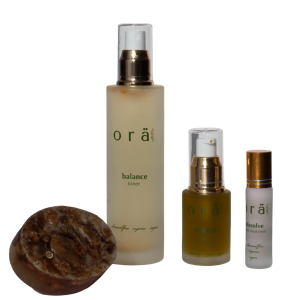
Sensitive skin requires a cleanser that doesn’t strip away your skin’s natural oils. A good cleanser is the foundation of any skincare routine, but sensitive skin requires something that’s mild and hydrating. Our Pure Black Soap Bar is a great option—it’s hydrating, gentle, and rich in vitamins. Black soap is also naturally antibacterial, so you’re getting a deep clean without the harsh chemicals that lead to irritation. Plus, it’s effective at removing makeup and impurities while leaving your skin feeling soft. Avoid those colourful, overly fragrant face washes and nurture your skin with a gentle, natural cleanser instead!

Step 2 (Optional): Tone with Balance
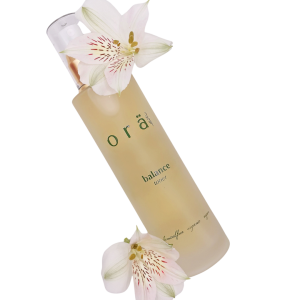
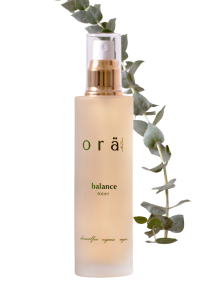
Some people with sensitive skin might be wary of toners because they can be too harsh. But, if used properly, a toner can actually help balance your skin’s pH and provide an extra layer of hydration. Our Balance Toner, even though it contains ACV (apple cider vinegar), is gentle because we’ve diluted it and mixed it with nourishing oils like rosehip and CBD. This means you get the benefits of a toner without the harshness. That said, always, always do a patch test first to ensure your skin agrees with it!

Step 3: Hydrate with a Multi-Tasking Serum

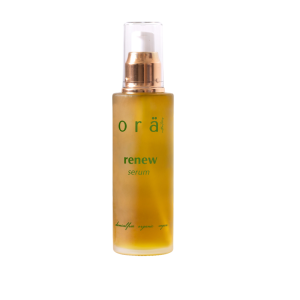
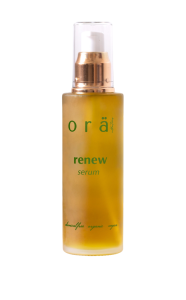
Sensitive skin craves hydration, but heavy creams can clog pores and trigger reactions. That’s where our Renew Serum comes in. It’s a lightweight, 2-in-1 serum that provides both hydration and nourishment without overloading your skin. Packed with soothing ingredients like jojoba oil & vitamin E, this serum calms inflammation, hydrates, and promotes a radiant glow.
Step 4: Mind Your Diet

Skincare isn’t just about what you apply—it’s also about what you eat. Sensitive skin often reacts to certain foods, so it’s essential to pay attention to your diet. If you notice flare-ups or reactions after consuming gluten, dairy, or processed foods with artificial additives, it might be time to eliminate them. Your skin is often a reflection of your gut health, so keeping your diet clean can go a long way toward keeping your skin calm.

Step 5 (Optional): Sun Protection

Depending on your skin type and pigment, you may or may not need sunscreen every day. Lighter skin types and those with sensitive skin may need to opt for a mineral-based, natural SPF to protect from UV rays without the irritation caused by chemical sunscreens. If you have a deeper complexion, daily sunscreen may not be necessary. Use discretion and listen to your skin’s needs.

Common Questions About Sensitive Skin

One of the most frequent questions I get is: How do I know if I have sensitive skin? Here are a few signs:

  • ➜Your skin reacts quickly to products, turning red or irritated after use.
  • ➜You experience frequent dryness, flaking, or itching.
  • ➜Environmental factors like cold weather or pollution tend to make your skin worse.

Another thing to keep in mind is that your skin type can change due to factors like hormones, diet, or even stress. If you’ve been treating your skin as one type but find it’s reacting differently, it might be time to reassess. Take our quiz to determine your Skin Type.

What if I react to natural products?

If your skin is reacting to even natural skincare, it could be a sensitivity to a specific ingredient, or the company may not be disclosing all of its ingredients. This is why it’s so important to read labels carefully and do a patch test before committing to a new product.

The Takeaway: Keep it Simple, Keep it Natural

Caring for sensitive skin doesn’t have to be complicated. Stick to natural, gentle products that work with your skin’s natural balance, and always be mindful of how your skin reacts to certain ingredients. 

Remember, nature has a remedy for everything—
let’s work with it, not against it. 🌱✨

Got questions or concerns about your skincare routine? Drop a comment below, and let’s figure it out together!
What Not to Do if You Have Oily Skin

Master Your Glow: Essential Don’ts for Oily Skin!

Hey, Glow-Getters! If you’re battling oily skin, you know it can feel like a never-ending game of whack-a-mole. But fear not, beautiful people… today, we’re diving into what not to do on your quest for a flawless, radiant complexion. Buckle up and grab your favorite face mask—it’s time to glow smart!

1. Don’t Overwash Your Face

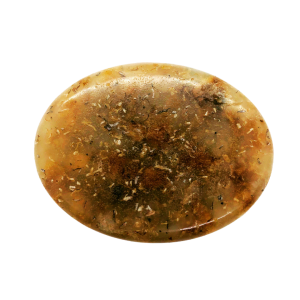
It might be tempting to scrub your face like you’re trying to remove paint from a wall, but overwashing can strip your skin of its natural oils. This triggers your skin to go into overdrive, producing even more oil! Aim to wash your face twice a day—morning and night—with a gentle, natural cleanser. My go-to? Our Exfoliating Sea Moss Black Soap bar. It leaves my skin feeling fresh and hydrated without that tight, dry feeling.

2. Avoid Heavy Creams

Oily skin? Say goodbye to heavy creams and rich moisturizers! Opt for lightweight, non-comedogenic options like gel-based moisturizers or natural oils such as jojoba oil, which is great for oily skin. Our Renew Serum is a game-changer. It’s lightweight and doubles as a moisturizer—hydrating your skin without clogging pores or triggering extra oil production. Remember, just because you’re oily doesn’t mean you should skip moisturizer—your skin needs hydration too! I know you’re thinking: “Moisturizer? I have oily skin!” But when you deprive your skin of hydration, it compensates by producing even more oil. You want a happy balance, not a greasy one!

3. Don’t Skip Exfoliation

Exfoliating 1-2 times a week is a must, especially for oily skin. You want to unclog those pores and reduce excess oil. Try natural exfoliants like oatmeal or ground coffee to avoid irritation. Our Sea Moss Black Soap includes sea moss for gentle exfoliation, helping you keep those pores clear without aggravating your skin.

4. Steer Clear of Alcohol-Based Products

Slathering your face with products containing alcohol? Time to reconsider. Alcohol can dry out your skin, causing it to produce even more oil. Opt for toners and treatments made with natural ingredients like witch hazel or rosewater instead. Our Balance Toner is perfect for this—it contains diluted apple cider vinegar (ACV) mixed with nourishing oils like rosehip and CBD. It’s gentle yet effective for balancing oil without stripping your skin. Always do a patch test first, especially if you’re prone to sensitivity!

5. Don’t Forget Your Diet

What you eat shows up on your skin. While that extra slice of pizza might be tempting, greasy foods can exacerbate oiliness. Focus on fresh fruits, veggies, and omega-3-rich foods like fatty fish. A healthy gut leads to balanced, healthy skin.

6. Avoid Touching Your Face

I know, it’s hard not to touch your face—but try to resist! Touching your face transfers dirt, oil, and bacteria, leading to clogged pores and breakouts. Be mindful, and you’ll thank yourself later when you see your glowing complexion!

7. Don’t Stress Out

Stress can trigger extra oil production, so find ways to relax. Whether it’s meditating, yoga, or dancing it out in your living room, self-care is key to keeping your skin balanced (and keeping your mind sane).

Step-by-Step Routine for Oily Skin

  1. Cleanser: Begin your routine with a gentle cleanser that helps remove excess oil. Black Soap is my personal face, but alternatively you can look for one that contains aloe vera for its soothing properties.
  2. Toner: Next, apply a toner that balances pH levels and controls oiliness. Our Balance Toner, infused with diluted apple cider vinegar is designed to achieve this effect.
  3. Exfoliation (1-2 times a week): Incorporate natural exfoliants like ground oatmeal to keep pores clear and prevent breakouts. You can also continue using our Exfoliating Sea Moss Black Soap Bar for this purpose.
  4. Serum:For hydration that doesn’t add excess oil, look for a serum that includes jojoba oil and vitamin E. Jojoba oil is particularly beneficial because it absorbs quickly into the skin, making it an excellent choice for oily skin types. It mimics the skin’s natural sebum, helping to balance oil production without clogging pores. Our Renew Serum offers this perfect blend to keep your skin hydrated without the greasiness.
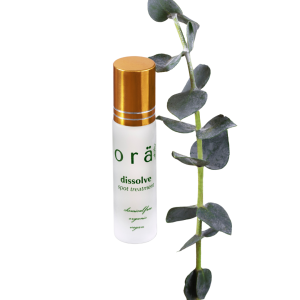
  5. Spot Treatment (Optional): If you experience active breakouts, consider a spot treatment with natural antibacterial ingredients like tea tree oil or witch hazel. Our Dissolve Spot Treatment contains Tea Tree and effectively targets acne while being gentle on your skin.

In the world of oily skin, it’s all about balance. By avoiding these common mistakes and opting for natural, gentle ingredients, you can control that oiliness and let your true glow shine through. Pamper your skin with love, and it’ll love you back. 🌿💫

Here’s to healthy, beautiful skin—naturally!

DIY Face Masks to Fight Acne

Natural Solutions for Radiant Skin

Dear Glow-Getters,

If you’re tired of battling pesky pimples and hormonal breakouts (we see you!), you’ve landed in the right spot. Let’s swap those harsh chemicals for some all-natural goodness and whip up some DIY face masks that not only fight acne but also nourish your skin!


How to Make

1. Honey & Cinnamon Mask: Sweeten the Deal

Honey is nature’s magic elixir, and when paired with cinnamon, it becomes a powerful duo against acne. Honey hydrates and acts as a natural antibiotic, while cinnamon can help reduce inflammation. Mix two tablespoons of honey with one teaspoon of cinnamon. Apply it to your face and leave it on for 10-15 minutes. Rinse with warm water, and voilà—glow on, my friends!

Ingredients:

  • 2 tablespoons honey
  • 1 teaspoon cinnamon

Benefits:

Honey hydrates and acts as a natural antibiotic, while cinnamon reduces inflammation.

Instructions:

Mix honey and cinnamon. Apply to your face and leave on for 10-15 minutes. Rinse with warm water for a sweet glow!

2. Oatmeal & Yogurt Mask: The Soothing Dream Team

Oatmeal is not just for breakfast; it’s a game-changer for your skin! Packed with anti-inflammatory properties, it helps soothe irritation. Combine one tablespoon of finely ground oats with two tablespoons of yogurt. Let this nourishing mixture sit on your face for 15-20 minutes before rinsing off. Your skin will thank you, and your breakfast bowl will be jealous!

Ingredients:

  • 1 tablespoon finely ground oats
  • 2 tablespoons plain yogurt

Benefits:

Oatmeal soothes irritation, and yogurt provides probiotics for a healthy skin barrier.

Instructions:

Combine oats and yogurt. Apply and let it sit for 15-20 minutes. Rinse and enjoy your calm, soothed skin!

3. Avocado & Lemon Mask: Brighten Up

Avocados are full of healthy fats and nutrients, while lemon provides a zesty dose of Vitamin C. Smash half an avocado and mix in the juice of half a lemon. Apply to your face for 15 minutes. This mask hydrates and brightens while keeping acne at bay. Just remember, don’t overdo it with the lemon if you have sensitive skin; no one wants to be a citrus burn victim!

Ingredients:

  • 1/2 avocado
  • Juice of 1/2 lemon

Benefits:

Avocado nourishes and moisturizes, while lemon brightens skin and provides Vitamin C.

Instructions:

Mash the avocado and mix in the lemon juice. Apply for 15 minutes. Rinse off for hydration and brightness—just watch out for citrus burns if you’re sensitive!

4. Green Tea & Clay Mask: Detox Delight

Green tea isn’t just for sipping; it’s also an amazing skin ally! Mix one tablespoon of green tea (cooled) with two tablespoons of bentonite clay. This powerful combo helps detoxify your skin, reduce excess oil, and shrink those stubborn pores. Leave it on for 15 minutes, then rinse with warm water and feel the freshness!

Ingredients:

  • 1 tablespoon brewed green tea (cooled)
  • 2 tablespoons bentonite clay

Benefits:

Green tea detoxifies and has antioxidants, while bentonite clay absorbs excess oil and unclogs pores.

Instructions:

Mix green tea with bentonite clay. Apply, let it dry for 15 minutes, and rinse for a detoxed feel!

5. Turmeric & Yogurt Mask: The Golden Glow Getter

Turmeric is like that friend who always shows up with a solution. It’s anti-inflammatory and can help with scarring. Mix one teaspoon of turmeric powder with two tablespoons of yogurt and a drizzle of honey for an added antibacterial kick. Apply for 10-15 minutes, then rinse off. Just don’t blame me if you feel like a golden goddess afterward—embrace it!

Ingredients:

  • 1 teaspoon turmeric powder
  • 2 tablespoons yogurt
  • Drizzle of honey (optional)

Benefits:

Turmeric is anti-inflammatory and can help fade scars, while yogurt hydrates and soothes.

Instructions:

Mix turmeric, yogurt, and honey. Apply for 10-15 minutes, then rinse. Get ready to embrace your golden goddess vibes!

Tips for Melanated Skin Magic

Ladies, remember that some ingredients might react differently based on your skin tone. Always do a patch test first, especially with turmeric and lemon, to avoid unwanted discoloration.

Sensitive Skin? No Problem!

For my sensitive skin queens, stick to gentle ingredients like oatmeal and yogurt masks. Always trust your skin—if it feels off, rinse off immediately.

These masks are perfect for anyone looking to naturally combat acne while caring for their skin. Gather your ingredients, call your besties for a spa day, and let’s embrace the power of nature together. Cheers to glowing, healthy skin! 🌟

The Sunscreen Dilemma

Do We Really Need It?

Every summer, we’re bombarded with reminders to slather on sunscreen, as if the sun itself is out to get us. From ads to skincare influencers, the sunscreen propaganda is strong. But here’s a thought: Did our ancestors need sunscreen? No! And they weren’t exactly dropping like flies from skin cancer. So, what’s the truth here, and why is it now a billion-dollar industry?

A Quick History Lesson on Sunscreen

Sunscreen was first invented in 1938—yep, less than 100 years ago! But somehow, we’ve been convinced that without it, the sun will literally fry us. The truth is, people have lived under the sun for centuries, thriving without modern-day sunscreen, and cancer wasn’t as rampant as it is now. This begs the question, is the sun really our enemy? Or are we just being sold fear?

Melanated Skin and Sun Protection

Now, for my melanated folks, the truth is we don’t need daily sunscreen like we’re led to believe. Our ancestors had rich melanin that naturally protected them from the sun’s rays, and guess what? So do we! Melanin acts like a built-in SPF, giving us extra protection from UV damage. Of course, this doesn’t mean we should bake in the sun for hours on end, but wearing sunscreen daily—especially chemical-laden ones—is probably unnecessary for us (and in my case, I’ve never worn it a day in my life).💁🏽‍♀️

What About Sensitive Skin?

For my beauties with lighter skin tones or sensitive skin, this doesn’t mean you should totally ditch SPF – use your discretion. If you burn easily, wearing a natural sunscreen when you’re going to be in the sun for extended periods makes sense. The key here is natural SPF—no chemicals, no harmful fillers, just straight-up protection that works with your skin, not against it. Find them at your local health food store or from trusted natural skincare brands that steer clear of toxins.

Ingredients to Avoid in Mainstream Sunscreens

Before you grab the first bottle labeled SPF 50, take a second look. Here’s a list of some common harmful ingredients found in many conventional sunscreens:

  • ➜Oxybenzone: Disrupts hormones and has been linked to lower birth weights in newborns.
  • ➜Octinoxate: Can cause skin allergies and disrupt the endocrine system.
  • ➜Homosalate: Another endocrine disruptor that can accumulate in your body faster than you can break it down.
  • ➜Avobenzone: Breaks down when exposed to sunlight (ironic, right?), potentially creating free radicals that harm skin cells.
  • ➜Parabens: Found in many sunscreens as preservatives, these are known hormone disruptors and are linked to breast cancer.

Yikes, right? And the sad part is, the FDA doesn’t require companies to disclose all of their ingredients, which means there could be even more nasty stuff hiding in that innocent-looking bottle.

The Role of Diet and Toxins

Interestingly, a number of holistic doctors and scientists are now supporting the theory that our diet—especially those high in seed oils—and exposure to pesticides and environmental toxins contribute to our sensitivity to sunburns. These factors can compromise our skin’s natural defenses, making us more susceptible to damage. So, it’s worth considering how what we eat impacts our skin health.

Why Natural Sunscreens Are the Way to Go

If you absolutely need to wear sunscreen (like if you’re going to be at the beach all day or hiking in the desert), opt for natural, mineral-based sunscreens. Look for ingredients like zinc oxide or titanium dioxide—they physically block the sun’s rays without seeping chemicals into your skin. Brands that carry these can usually be found in health food stores or organic skincare lines. And remember, just because a product claims to be “green” or “natural” doesn’t mean it’s clean. Always check the ingredient list!

The Long-Term Health Effects of Chemical Sunscreens

Daily use of chemical sunscreens introduces toxins into your bloodstream through the skin. Given that your skin absorbs whatever touches it in less than 60 seconds, it’s alarming to think about what long-term exposure to these chemicals can do. Hormone disruption, skin irritation, allergic reactions, and even cancer have been linked to long-term use of toxic sunscreens.

In fact, some studies suggest that these harmful ingredients could actually contribute to the very diseases they claim to protect us from. Crazy, right?

Why Clean Beauty is Better for You

Here’s the bottom line: our skin is our largest organ, and it deserves respect. By using natural skincare products (the kind that are actually clean, not just green-washed), we allow our bodies to work in harmony with nature. Think about it—if your brain can’t pronounce an ingredient, do you really think your body knows what to do with it?

Nature’s farmacy is full of ingredients that can keep our skin clear, healthy, and glowing. Shea butter, aloe vera, rosehip oil, and jojoba oil—all these natural ingredients can work wonders for your skin without loading it up with chemicals. If you’re out in the sun for a short period, your skin is probably doing just fine without the need for SPF every single day. Let nature work for you!

Let’s Chat

Have a skincare concern you haven’t been able to resolve—whether you’ve tried chemical sunscreens or not? Drop a comment below, and let’s explore a solution together! Because, let’s face it, our skin deserves better. Let’s glow, naturally 🌿✨!

Radiant Rituals – Face Mask Friday!

Dear Radiant Souls,

Today, I invite you to carve out a little time just for yourself. Yes, you! It’s time to find love within, embrace a bit of discipline, and nurture your beautiful self—be it through your skincare routine, sleep habits, or dietary choices. Self-care is not a luxury; it’s a necessity, and I’m here to help you along this radiant journey.

One of my favorite ways to pamper myself is with a simple DIY face mask that speaks to the beauty of nature—no chemicals, just pure love! This mask is made with just two ingredients: flaxseed and water.

Flaxseed & Water Face Mask

Why Flaxseed?
Flaxseeds are packed with omega-3 fatty acids and antioxidants, helping to hydrate and soothe your skin while promoting a radiant glow.

Ingredients:

  • 2 tablespoons of flaxseeds
  • 1 cup of water

Instructions:

  1. Boil the Water: In a small pot or kettle, bring water to a boil.
  2. Add Flaxseeds: Stir in the flaxseeds and reduce heat to low. Simmer for 10-15 minutes, stirring occasionally until the mixture thickens into a gel-like consistency.
  3. Strain the Mixture: Once the gel has thickened, remove from heat and cool slightly. Strain through a fine sieve or cheesecloth to separate the seeds (optional).
  4. Cool the Gel: For an extra refreshing experience, pop the gel in the fridge for a few minutes before applying it as a mask.
  5. Moisturize and Seal: After washing off the gel, follow up with Renew Serum to lock in moisture, hydrate the skin, and enhance your glow.

Storage:

  • Store any leftover gel in an airtight container in the fridge. It should last for about one week.

Pro Tips:

  • Patch Test First: Always do a patch test to ensure no allergic reaction occurs.
  • Stay Hydrated: Drink plenty of water before and after your skincare ritual for that extra glow!

So, let’s indulge in these Radiant Rituals together, remembering that self-love begins within. Join me in taking a moment to celebrate you—your skin, your heart, your journey. Because you deserve it!

With love and glowing vibes,
Orä 🌿✨

The Toner Truth

Why Your Skin Needs It!

Hey, Radiant Report readers! Let’s chat about that often-overlooked gem in our skincare routine: toner. It’s like the unsung hero of your beauty cabinet, quietly working behind the scenes to ensure your skin stays clear, balanced, and hydrated. But what’s the deal with toner, anyway? Let’s dive in!

Why Use Toner?

Toner’s main job is to prep your skin for the goodness that follows—serums, moisturizers, you name it. It helps to remove any leftover dirt, oil, or makeup that your cleanser might have missed. Think of it as the final rinse after washing your dishes; it gets everything squeaky clean and ready for the main event.

But that’s not all! Toners also help restore your skin’s natural pH balance, which can get disrupted during cleansing. Keeping your skin pH balanced is crucial for overall skin health, preventing dryness and breakouts.

What to Avoid in Toners

Now, not all toners are created equal. Steer clear of toners loaded with alcohol, synthetic fragrances, and harsh astringents. These ingredients can strip your skin of its natural oils, leaving it dry, irritated, and ready to throw a tantrum. No one wants that!

Instead, look for toners with nourishing, hydrating ingredients that won’t irritate your skin. If your toner feels more like a chemical peel than a gentle refresh, it’s time to toss it out and try something new.

Common Problems with Toners

Some common problems people experience with toners include:

  • ➜Dryness and Tightness: This usually results from harsh ingredients like alcohol.
  • ➜Breakouts: If your toner is clogging pores instead of clearing them, it’s a sign to switch it up.
  • ➜Sensitivity: Ingredients that irritate sensitive skin can lead to redness and inflammation.


Meet Our Balance Toner

Here’s where our Balance Toner comes in! Infused with rosehip oil, CBD, and apple cider vinegar (ACV), this toner works wonders in keeping your skin pH balanced, clear, and hydrated. Rosehip oil is rich in vitamins and fatty acids that help fade hyperpigmentation and promote a radiant complexion. CBD is known for its anti-inflammatory properties, making it perfect for calming irritated skin.

FAQs About Skin Toners

  1. Do I really need a toner?
    • If you want to enhance your skincare routine, yes! Toners help with cleansing, pH balance, and prepping your skin for other products.
  2. Can I skip toner if I have dry skin?
    • Not at all! Just make sure to choose a hydrating toner that won’t strip moisture. Our Balance Toner is perfect for this!
  3. Is it safe to use toner every day?
    • Absolutely! As long as you’re using a gentle, alcohol-free formula, daily use can be beneficial.
  4. Will toner help with acne?
    • A good toner can help prevent breakouts by keeping your pores clear and your skin balanced.

So, there you have it—toner is a crucial step in your skincare routine that shouldn’t be ignored! If you’ve been struggling with dryness, irritation, or breakouts, it’s time to give our Balance Toner a try. Your skin will thank you!

Have questions about toners or skincare in general? Drop a comment below! Let’s explore solutions together and get that glow on!

Why ‘Clean Beauty’ Is Better for Your Skin (& Long-Term Health)

In a world where we’re constantly bombarded with the next miracle serum or “skin-transforming” cream, it’s no wonder we’re beginning to ask, “What’s really in this stuff?”

The clean beauty movement isn’t just a trend—

It’s a demand for transparency, safety, and respect for our skin and overall health.

Let’s dive into:

  • ✔️Why clean beauty matters
  • ✔️What chemicals to avoid
  • ✔️How nature’s ingredients can bring real, lasting results

The Rise of Clean Beauty

As more people become concerned about chemicals in skincare, there’s been a growing shift toward natural, organic, and non-toxic alternatives. And for good reason! The skin is our largest organ and absorbs what we put on it in less than 60 seconds. So, it makes sense to be picky about what we’re feeding it. This awareness is at the core of the clean beauty movement, which promotes the use of products free of synthetic chemicals, preservatives, and toxins.

But beware—many brands have jumped on the bandwagon with “greenwashed” products that appear clean but still sneak in harmful ingredients.

If your brain doesn’t recognize an ingredient, your body probably won’t either. Always read your labels carefully!

The Dirty Truth About Common Chemicals in Skincare

Many mainstream skincare products are filled with chemicals that can disrupt our skin and even our long-term health. Let’s look at a few common culprits and what they can lead to:

  • Parabens: Used as preservatives in cosmetics, parabens are hormone disruptors that mimic estrogen in the body. Long-term exposure can contribute to breast cancer and reproductive issues.
  • Phthalates: These are often found in synthetic fragrances and have been linked to hormonal imbalances, infertility, and birth defects.
  • Sodium Lauryl Sulfate (SLS): Found in cleansers and shampoos, this foaming agent strips the skin of its natural oils, leading to irritation, eczema, and a weakened skin barrier.
  • Triclosan: Often added to antibacterial products (and toothpaste), this chemical has been linked to antibiotic resistance and may disrupt thyroid function.
  • Formaldehyde Releasers: These preservatives slowly release small amounts of formaldehyde over time, which can cause allergic reactions, skin sensitivity, and even cancer with long-term exposure.

These chemicals do more than clog pores or cause breakouts—they can have real, lasting impacts on your endocrine system, liver function, and overall hormonal health.

The Benefits of Using All-Natural, Truly Clean Products

Now that we’ve covered what to avoid, let’s get into the good stuff—clean beauty! True clean beauty products are packed with nourishing ingredients that come from nature’s own farmacy. Here’s why they’re the way to go:

  1. Rich in Vitamins & Antioxidants: Ingredients like shea butter, jojoba oil, and aloe vera naturally nourish the skin, delivering antioxidants and vitamins directly where they’re needed. These help to fight off free radicals, brighten the skin, and even fade scars.
  2. No Hidden Toxins: When you use products with ingredients you can pronounce and recognize (think turmeric, lavender oil or sea moss), you know what you’re putting on your skin. These ingredients work with your body, not against it.
  3. Gentle on Sensitive Skin: Many mainstream products contain harsh chemicals that irritate sensitive skin. Clean products, free of alcohols and synthetic fillers, are a much better option for reducing inflammation and promoting an even skin tone.
  4. Supports Skin’s Natural Function: Instead of forcing the skin into overdrive (which is what many synthetic products do), natural ingredients work to support the skin’s natural barrier and moisture levels, leading to fewer breakouts and a healthy, long-term glow.

Understanding the Power of Nature

When you turn to nature, you’re letting your skin reset to its natural state. Want an example? Take shea butter—rich in vitamins A and E, it’s known for deeply moisturizing and healing dry, damaged skin. Or consider turmeric, which has been used for centuries in Ayurvedic medicine for its anti-inflammatory and brightening properties.

At The Radiant Report, we’re all about embracing these natural solutions. Instead of opting for products loaded with synthetic ingredients, look to nature’s offerings that have been trusted for centuries. From jojoba oil (which balances sebum production) to sea moss (a nutrient powerhouse), we’ve got all we need to keep our skin clear and glowing.

Greenwashing: The Beauty Industry’s Sneaky Secret

Not all products labeled “clean” are actually clean. This sneaky marketing tactic, known as greenwashing, is when brands use buzzwords like “organic” or “natural” without committing to being fully free of toxic ingredients. They might toss in a drop of essential oil but keep the rest of their toxic soup intact. Plus, cosmetic companies aren’t required by the FDA to disclose all their ingredients, meaning small amounts of alcohol or fillers like synthetic fragrances can slip into your “natural” products.

Trust Your Skin to True Clean Beauty

To put it simply, if a product’s ingredient list looks like something out of a science experiment, it’s probably not great for your skin.

Real clean beauty doesn’t need to hide behind vague terms and long-winded chemical names. So if you’re staring at a label and don’t recognize something, your skin won’t either!

Nature’s Pharmacy: Your Skin’s Best Friend

The key to healthy, radiant skin lies in nature’s medicine cabinet. Instead of reaching for synthetic concoctions, opt for plant-based ingredients that nurture your skin. Shea butter for deep hydration, rosehip oil for fading hyperpigmentation, and lavender to soothe sensitive skin. Check out our Balance Toner, infused with rosehip oil. Use it daily to restore your glow and reduce discolouration naturally.

So, let’s get back to basics. Ditch the synthetics and let nature do the work. Your skin—and your hormones—will thank you for it!

Let’s Glow Together!

Ready to make the switch to true clean beauty? Share your thoughts in the comments below! Have you explored face mapping or tried eating for your blood type to tackle skincare concerns? Let’s chat and explore some natural solutions together. 🌿

The Truth About Occlusives

Locking in Moisture, Naturally (and Safely)

Let’s get into the real tea on occlusives, the skincare heroes that lock in moisture by forming a barrier over your skin. Occlusives are crucial in sealing moisture, but synthetic options—like petrolatum, silicones, and mineral oil—can do more harm than good. While they do create an effective barrier, these ingredients are derived from petroleum (a byproduct of crude oil), which can clog pores, cause breakouts, and potentially expose your skin to harmful chemicals.

The Hidden Dangers of Synthetic Occlusives

Many common occlusives are linked to concerning health issues. Here’s what you should know:

  • Petrolatum (mineral oil): While it seals in moisture, it can also block pores, leading to acne and irritation. Worse, unrefined petrolatum may contain polycyclic aromatic hydrocarbons (PAHs), which have been linked to cancer.
  • Silicones: Though they create a silky, smooth finish, silicones can trap dirt and bacteria underneath your skin, exacerbating breakouts and irritation for those with sensitive skin.
  • Paraffin: A derivative of petroleum, paraffin can contribute to dryness, irritation, and allergic reactions, particularly in sensitive or eczema-prone skin. Inhaling paraffin fumes has also been linked to respiratory issues.
  • Lanolin: While lanolin is natural, it can still cause allergic reactions, particularly in those with sensitive skin, leading to redness, rashes, and inflammation.

Symptoms and Conditions Linked to These Chemicals

Exposure to synthetic occlusives has been associated with:

  • ➜Acne and breakouts
  • ➜Skin irritation and inflammation
  • ➜Dermatitis
  • ➜Disruption of skin’s natural barrier
  • ➜Potential long-term exposure risks include endocrine disruption and certain cancers

So, why not swap them for something nature-approved?

Why Natural Occlusives Are the Way to Glow

Natural occlusives don’t just lock in moisture—they nourish your skin with vitamins, antioxidants, and healing properties. Here are a few you’ll love:

Shea Butter: This queen of hydration is loaded with essential fatty acids and vitamins that deeply moisturize without clogging pores. Perfect for dry skin warriors and those combatting eczema or psoriasis. Soothe and protect your skin with our Whipped Tea Tree Body Butter, specially formulated to help calm and curb eczema flare-ups naturally.

Cocoa Butter: Ideal for melanin-rich skin, cocoa butter works wonders on scars, hyperpigmentation, and stretch marks, while delivering hydration.

Jojoba Oil: Lightweight, non-greasy, and mimicking your skin’s natural sebum, this oil is perfect for breakout-prone skin. Jojoba oil locks in moisture while still allowing your skin to breathe. Try our Dissolve Spot Treatment, a soothing jojoba oil-based formula designed to help calm and reduce both incoming and existing acne and blemishes naturally.

Beeswax: If you’re okay with non-vegan options, beeswax creates a breathable layer that locks in hydration while reducing inflammation, making it a great option for sensitive skin.

Best Occlusive Products for You

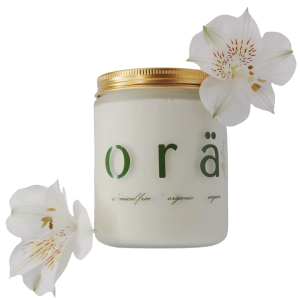
Ora’s Lavender Whipped Body Butter, enriched with shea butter, acts as a fantastic occlusive agent, sealing in moisture and providing a protective barrier for skin damaged by sun exposure. Its soothing lavender scent not only calms the mind but also helps the skin heal and regenerate.

For those dealing with diaper rash, our Unscented and Tea Tree options are perfect. They provide gentle hydration and soothing properties, helping to heal and prevent irritation while ensuring that delicate skin stays comfortable and protected. Embrace nature’s healing power with our luxurious body butters!

For daily cleansing, pair it with our Exfoliating Sea Moss Black Soap Bar. It preps your skin to soak up the moisture from occlusives, ensuring a perfect skincare balance.

For melanated skin, occlusives like shea and cocoa butter are top-tier for addressing hyperpigmentation and providing deep nourishment. Sensitive skin loves gentle, natural occlusives like jojoba oil and beeswax, which help lock in moisture without irritation.

So, what’s the verdict? Occlusives are essential, but synthetic ones can do more harm than good. Opt for nature’s moisture-locking goodness, and your skin will thank you! 🌱✨

The 411 On Face Mapping

What Your Breakouts Really Mean

Let’s talk bout something that’s been swirling around the skincare world—face mapping. 

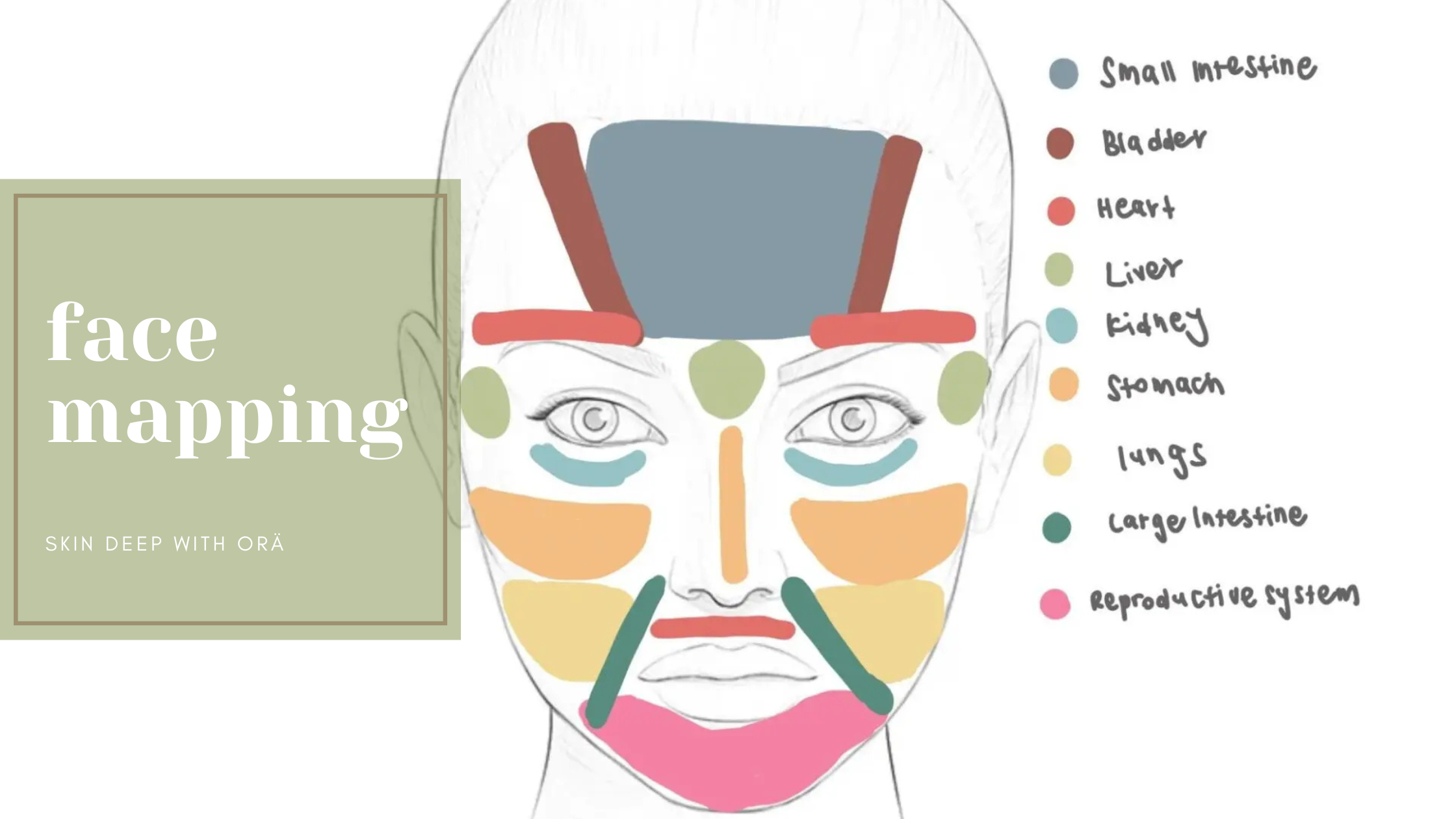
You’ve probably heard the buzz: “Oh no, a pimple on your chin? Must be your hormones!” But is there any truth to this mystical skin interpretation? Spoiler alert: this ancient Chinese secret shows how you can decode your breakouts based on where they pop up on your face.

What Is Face Mapping?

Face mapping, rooted in traditional Chinese medicine, links specific areas of your face to different organs and bodily systems. For example, breakouts on your forehead might point to digestive issues or stress. While this concept sounds intriguing, let’s keep it real—our skin reflects a mix of lifestyle choices, genetics, and skincare habits rather than a simple chart of face zones.

What Really Causes Breakouts?

Instead of solely relying on face mapping, consider these common culprits behind those unwelcome visitors:

  1. Hormones: If you’re noticing breakouts along your jawline or chin, it could be your hormones reminding you they’re still in charge. That time of the month? Hello, acne!
  2. Diet: Love that late-night ice cream? Your skin might not appreciate the sugar overload. Processed foods and dairy can contribute to breakouts, especially on your cheeks and forehead.
  3. Skincare Products: If you’re loading your skin with synthetic ingredients, expect a revolt! Ditch the harsh chemicals in favor of organic products that nourish without clogging your pores.
  4. Stress: We all know that stress can take a toll on our skin. Practicing self-care and incorporating relaxation techniques can help keep your skin calm and clear.

The Bottom Line

While face mapping can give you some clues, it’s essential to listen to your skin’s unique needs. A holistic approach—eating for your blood type, featuring natural ingredients, healthy habits and a sprinkle of self-love—is the key to unlocking your best skin ever. So the next time you see a breakout, take a step back, assess your lifestyle, and nourish your skin with love (and our Dissolve Spot Treatment😉)!

Embrace your natural beauty, and remember: radiant skin starts from within! 🌿✨

Ready to take your skincare journey to the next level? Drop your thoughts in the comments! Are you a believer in face mapping? Or have you ever dabbled in eating for your blood type? Let’s talk about it, share your experiences, and let’s glow together! ✨👑

The 10 Best Natural Oils for Oily Skin

Embrace Your Glow, Naturally!

Dear Radiant Souls! 🌿

If you’ve ever looked in the mirror and thought, “Why do I have a shiny forehead that could signal passing ships?” you’re not alone! Oily skin can feel like a never-ending battle, but fear not! We’re diving into the world of all-natural oils that will help balance your skin without the chemical chaos. So grab your favorite herbal tea, and let’s get glowing!

1. Jojoba Oil: The Balancing Act (Comedogenic Score: 2)

First up is our fabulous friend, jojoba oil. This lightweight oil mimics your skin’s natural oils, tricking it into hydration mode. It’s a key ingredient in our Renew Serum, which helps combat aging, acne, and scarring. Say goodbye to greasy vibes and hello to that perfect balance!

2. Tea Tree Oil: The Acne Assassin (Comedogenic Score: 1)

For those pesky breakouts, tea tree oil is your skin’s superhero. It fights acne without the harsh chemicals and is infused in our Whipped Body Butter to soothe eczema flare-ups. Just remember to dilute it unless you want your skin to feel like a spicy pepper!

3. Argan Oil: The Multi-Tasking Marvel (Comedogenic Score: 0)

Not just for your hair, argan oil is a powerhouse for your skin! It hydrates without clogging pores. This oil is like that friend who brings snacks to the party and cleans up afterward—who doesn’t love a multitasker?

4. Rosehip Oil: The Glow Getter (Comedogenic Score: 1)

Looking to fade scars or hyperpigmentation? Rosehip oil is packed with vitamins A and C and is included in our Balance Toner and Renew Serum. It helps rejuvenate your skin while brightening your complexion—perfect for our melanated beauties!

5. Grapeseed Oil: The Lightweight Wonder (Comedogenic Score: 1)

Grapeseed oil is the ultimate lightweight oil for oily skin. It won’t clog your pores and is rich in linoleic acid to help reduce acne. It’s like wearing a soft, fluffy cloud instead of a heavy blanket on your face!

6. Hemp Seed Oil: The Hydration Hero (Comedogenic Score: 0)

Packed with omega-3 and omega-6 fatty acids, hemp seed oil is fantastic for balancing oily skin. Found in our whipped body butters and detox scrubs, it hydrates without causing breakouts. Nature’s way of saying, “You’re doing great, keep it up!”

7. Pomegranate Seed Oil: The Age-Defying Elixir (Comedogenic Score: 1)

Pomegranate seed oil is not just a pretty fruit; it’s a skincare superstar! With antioxidants that fight aging, it’s perfect for those wanting to maintain youthful skin while keeping that shine in check. Talk about a win-win!

8. Lavender Oil: The Calming Comfort (Comedogenic Score: 0)

If your oily skin comes with a side of stress, lavender oil can help calm both your skin and your mind. It reduces inflammation and redness while leaving you smelling divine! Just don’t confuse it with your bath soak; you might end up in a bubble bath during your skincare routine.

9. Almond Oil: The Nourishing Necessity (Comedogenic Score: 2)

Sweet almond oil is gentle and fantastic for sensitive skin. It hydrates and nourishes without leaving a greasy residue. For those of us with sensitive skin, this is like that comforting hug from grandma you never knew you needed.

10. Coconut Oil: The Double-Edged Sword (Comedogenic Score: 4)

Coconut oil is a bit of a controversial character. While it’s super hydrating and has antibacterial properties, it can clog pores for some people. If you have oily skin, use it sparingly, especially in our Whipped Body Butter or Detox Scrub, and see how your skin reacts.

Tips for Using Oils in Your Skincare Routine

  • Patch test: Always test a small amount of oil on a patch of skin before applying it to your entire face.
  • Dilute essential oils: Essential oils are highly concentrated and can irritate your skin. Dilute them with a carrier oil like jojoba or grapeseed oil.
  • Consider comedogenic ratings: If you’re concerned about clogged pores, look for oils with a low comedogenic rating.
  • Use a gentle cleanser: Before applying any oil, make sure your skin is clean and free of makeup.
  • Less is more: A little goes a long way. Start with a small amount and adjust as needed.

Remember: Everyone’s skin is different, so what works for one person may not work for another. Experiment with different oils to find the perfect combination for your skin.


So there you have it, my lovely naturals! Incorporating these oils into your skincare routine can help you embrace your natural beauty while keeping oily skin at bay. Remember, what works for one person may not work for another, so always patch test when trying new oils.

Feel free to mix, match, and experiment until you find your perfect potion! After all, the best skincare routine is the one that makes you feel good inside and out. Happy glowing!